
Treatment basics
What GLP‑1 changes about hunger and fullness
How GLP-1 medicines can change appetite, fullness and the way an everyday meal feels.

Hunger before a meal and fullness halfway through it are separate cues. GLP‑1 medicines can affect both. You might find that lunch seems less urgent, that a smaller lunch feels satisfying, or that food stays on your mind less often. These changes can show up in a different order for different people.
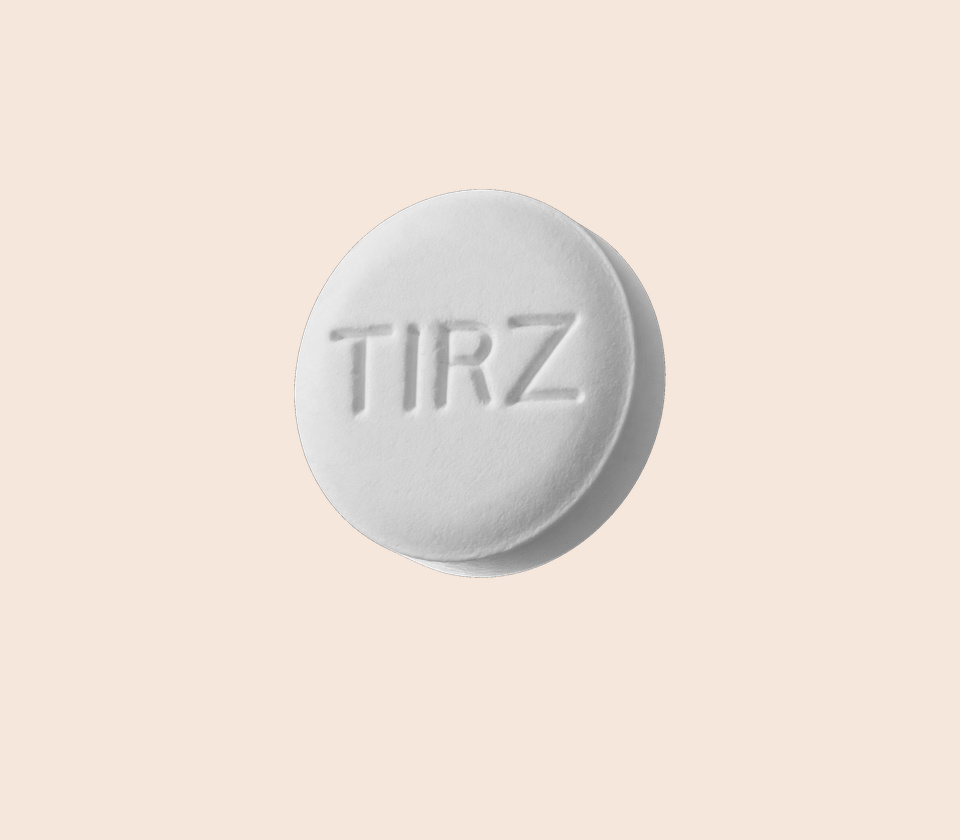
GLP‑1 is a hormone your body releases after you eat. Medicines that activate its receptor affect signals involved in appetite and blood sugar. Some also slow the rate at which food leaves the stomach. Tirzepatide acts on two receptors, GIP and GLP‑1. The active ingredient and what the medicine is approved to treat are useful details to check when you read a brand name. MedlinePlus on GLP‑1 agonists, Tirzepatide prescribing information
If your usual lunch starts feeling too big, try serving a smaller portion first and keeping the rest for later. Pay attention to whether you feel comfortably satisfied, uncomfortably full, or too nauseated to eat. Those are different experiences, and the distinction can help your care team understand how the medication is fitting into your life. Joint nutrition advisory on GLP‑1 therapy
Read next

Treatment basics
The health details that matter before starting a GLP‑1
Put together the medication list, health history and goals that help inform a prescribing decision.
Read more →
Treatment basics
A GLP‑1 pill or injection? Start with your actual week
Compare how pills and injections would fit the week you actually have.
Read more →
Treatment basics
Thinking about switching GLP‑1 medications? Start with the reason
Get clear on the reason for a change and the questions your transition plan should answer.
Read more →